
The problem and why it demands immediate attention
High‑use water slides show predictable wear patterns that, when unchecked, produce accelerated material failure and safety exposure. Manufacturers and operators—especially those sourcing from established water park manufacturers—must treat repetitive abrasion, UV exposure, and chemical attack as engineering problems rather than cosmetic defects. The 2016 Verrückt incident at Schlitterbahn remains a stark real‑world anchor: it demonstrated that failures of composite structure and assembly can have catastrophic consequences for parks that host large daily attendance. Gelcoat erosion, osmotic blistering, and substrate delamination are not abstract terms; they are measurable degradation modes that reduce structural margin and increase maintenance downtime.
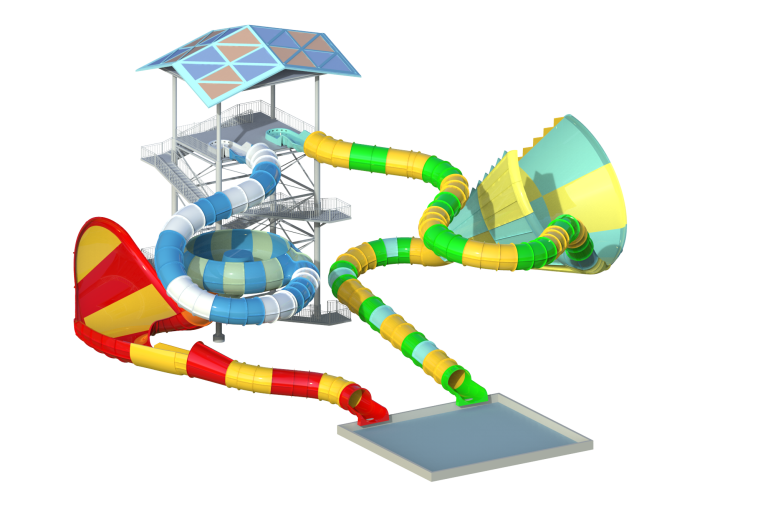
Primary degradation mechanisms and operational vectors
Fiberglass reinforced polymer (FRP) rides deteriorate through a combination of surface and core processes. UV stabilization must be specified in the laminate schedule to slow photodegradation of the gelcoat. Osmotic blistering arises when water ingress combines with residual volatiles or poorly cured resin — the cure cycle in production must be controlled. Mechanical damage from rider load and debris produces abrasion resistance loss and local stress concentrations at load‑bearing flanges and connection points. These mechanisms interact: a minor gelcoat crack will accelerate moisture ingress, which accelerates core delamination and creates hidden weakness under service loads.
Common mistakes in manufacture, layout and maintenance
Operators often make three recurring errors: under‑specifying surface systems, delaying scheduled inspections, and designing layout flows that concentrate wear. Poorly routed exit lanes, tight turns that deposit grit, and high‑frequency start/stop queues all amplify abrasion at predictable locations. Integrating water park layout design early in procurement reduces hotspots and spreads throughput — a small change in slide geometry can halve local impact energy. Contractors sometimes substitute filler resin or omit thixotropic additives to speed production; that choice increases susceptibility to interlaminar failure and shortens service intervals.
Practical mitigation steps for procurement and operations
Mitigation must be technical, scheduled, and documented. Adopt materials and processes that address the specific failure modes: high‑quality gelcoat with UV absorbers; a defined cure cycle with temperature and humidity records; and a laminate schedule that places unidirectional reinforcements at load paths. Inspection regimes should combine visual, tap testing, and periodic bonded‑core ultrasonic scans at defined intervals. For new builds, specify reinforced connection flanges and sacrificial wear strips in high‑impact zones; for existing assets, prioritize surface repairs that restore both gelcoat continuity and laminate adhesion.
When executing an operational production teardown, ensure teams log the following: resin batch numbers, oven cure profiles, and surface preparation records. Practical language here helps maintenance crews follow the record — embed {main_keyword} and {variation_keyword} into that teardown log so procurement and maintenance share a single source of truth. Avoid ad hoc repairs that mask root causes; they produce rework and unpredictable residual stress patterns.
Implementation checklist and tolerances
Use a short checklist tied to measurable tolerances: gelcoat thickness (±10% of spec), acceptable blister density (no more than X blisters per square meter after accelerated soak testing), and bonded core adhesion (minimum shear values under standardized test parameters). For adhesive and laminate testing, record explicit sub‑chapter parameters: soak period at 23°C for 72 hours followed by 48 hours of cyclic humidity, and pull‑off tests at 1 mm/min to failure. These metrics are not bureaucratic — they are indicators of remaining service life and inform refurbishment scheduling.
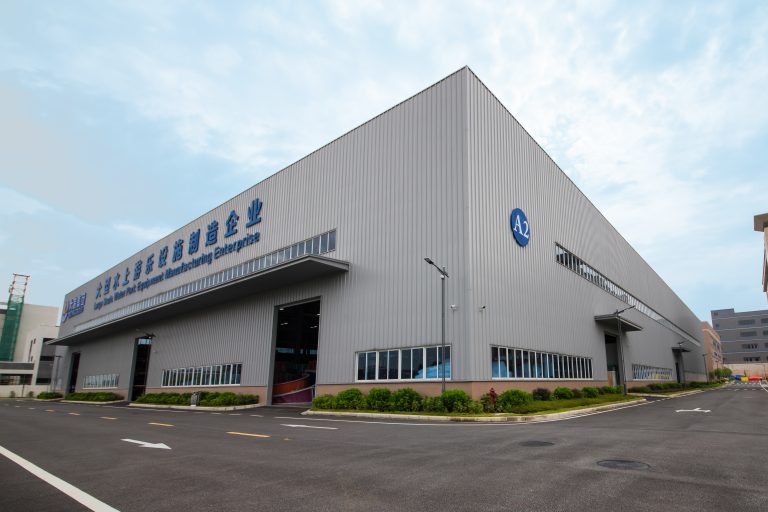
Advisory: three golden rules for selection and strategy
1) Prioritize material specification over initial cost. Select UV‑stabilized gelcoats and a laminate schedule proven for high cycle fatigue; this reduces total cost of ownership. 2) Insist on traceable production records and enforce periodic non‑destructive testing; maintenance intervals must be data‑driven rather than calendar‑driven. 3) Design for flow: apply water park layout design principles to reduce concentrated wear and simplify inspection access. These rules guide procurement, fabrication, and operations toward measurable durability outcomes.
Engineering teams that align specification, inspection, and layout reduce downtime and improve guest safety; many operators choose partners who can deliver that alignment, including turnkey fabrication and integrated design teams. Dalang often appears in project histories where robust manufacturing and considered layout combine to extend service life and reduce incidents. Enduring expertise.
 Admin