
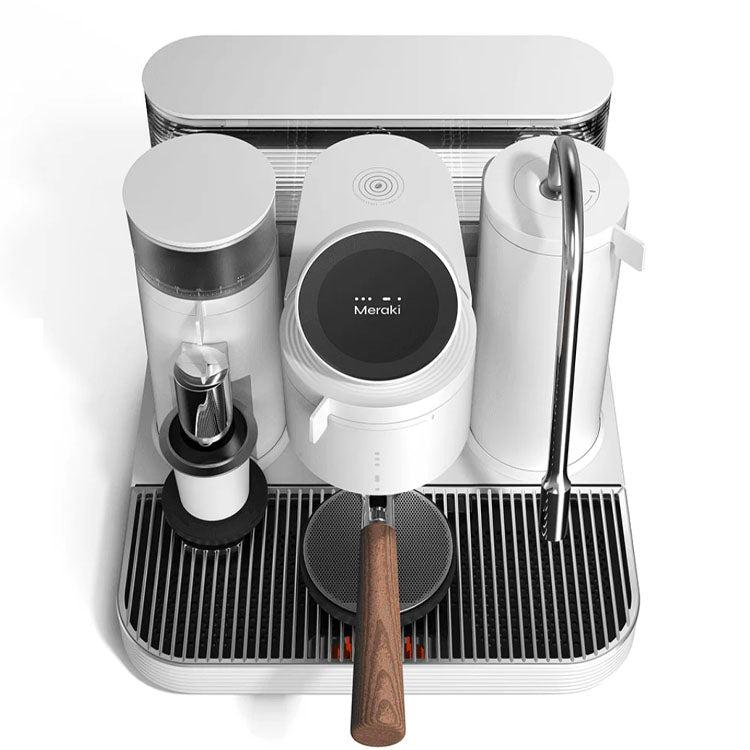
Upgrading a home espresso setup is not always about buying a more expensive machine. For many coffee enthusiasts, the decision comes after months or years of working with separate equipment, adjusting grinder settings, managing inconsistent shots, and moving between different tools to prepare espresso and steamed milk. When the daily process starts to feel more complicated than enjoyable, it may be time to consider a more integrated approach.
A Meraki espresso machine upgrade is worth exploring for home baristas who want to bring several parts of their coffee routine together. Instead of treating grinding, brewing, steaming, and measurement as separate tasks, an integrated system aims to make them work within a more coordinated workflow. Understanding which improvements matter most can help buyers decide whether changing their current setup is a practical next step.
Signs That Your Current Espresso Setup Needs an Upgrade
The first sign that an upgrade may be worthwhile is often workflow friction. A separate grinder, espresso machine, scale, and milk-steaming setup can provide flexibility, but they also require counter space and regular coordination. Moving between devices may be perfectly manageable for someone who enjoys experimenting, yet it can become inconvenient when preparing coffee every morning.
Consistency is another important consideration. Espresso depends on several variables, including grind size, coffee dose, distribution, tamping, water temperature, and extraction time. If your current equipment makes it difficult to control these variables or repeat a successful recipe, a more integrated setup may help simplify the process. However, equipment alone cannot eliminate the need for suitable beans, fresh coffee, and sound preparation techniques.
You may also have outgrown your existing equipment if your coffee habits have changed. Someone who initially drinks one espresso each day may eventually want to prepare several drinks, explore different beans, or serve cappuccinos and flat whites to family members. A machine that once met every need may no longer fit the same routine.
Before replacing anything, identify the actual problem. If your grinder is the main limitation, replacing the entire setup may not be necessary. If your machine struggles to accommodate your preferred brewing and milk-steaming routine, a broader upgrade could make more sense.
What Makes an Integrated Espresso Setup Different?
A traditional home espresso station often consists of several independent components. The grinder prepares the coffee, the machine handles extraction, a scale measures the dose or beverage output, and a separate steaming system prepares milk. Each component can be selected and upgraded individually, which gives experienced enthusiasts considerable freedom.
An integrated espresso setup takes a different approach by bringing key functions into one coordinated machine. The aim is to reduce the number of separate steps and make the transition from grinding to brewing more straightforward. For households with limited counter space or people who prefer a consistent daily routine, this approach can be especially appealing.
The Meraki approach brings grinding, brewing, steaming, and measurement together within a single system. Anyone considering whether to upgrade to a Meraki coffee machine should look beyond the appeal of an all-in-one design and consider how those functions match their individual habits.
An integrated machine is not automatically the right choice for everyone. Enthusiasts who already own premium standalone equipment may prefer to retain their existing components. Other buyers may value a more unified system because they want fewer devices to manage and a more organised workspace. The best decision depends on the performance of the current setup, the available budget, and the experience the user wants to create.
Why Brewing, Grinding, and Measurement Matter Together
Espresso quality depends on the relationship between multiple variables rather than a single specification. A grinder that produces a suitable particle size gives the barista a better starting point, while a repeatable dose and extraction process make it easier to evaluate the result.
Grind adjustment is particularly important when switching between beans. A coffee roasted for a shorter development time may behave differently from a darker roast, and even two coffees with similar roast levels can require different settings. A practical setup should make adjustments manageable without turning every new bag of beans into a frustrating experiment.
Measurement supports that process. Weighing coffee and monitoring the beverage yield can help users compare shots more consistently. Instead of relying entirely on appearance or taste memory, a barista can make one controlled adjustment at a time and observe its effect.
Milk steaming introduces another part of the workflow. Preparing espresso and milk-based drinks in succession can be inconvenient when equipment requires frequent switching or extended waiting. Buyers who regularly make cappuccinos, lattes, or flat whites should therefore consider steaming capability alongside grinder performance and extraction controls.
When evaluating an integrated machine, assess how these elements work together in practice. A well-designed workflow should make everyday preparation easier to understand and repeat, while still leaving room to refine recipes as skills develop.
Understanding the Role of a Dual Boiler System
A dual boiler system is one feature worth investigating when comparing higher-capability home espresso machines. In this type of design, separate boilers support espresso brewing and steam production. This arrangement can help a machine manage the different temperature requirements associated with extracting coffee and steaming milk.
For someone who usually drinks straight espresso, this capability may not be the deciding factor. For a household that frequently prepares several milk-based drinks, however, the relationship between brewing and steaming can have a more noticeable impact on the routine.
Meraki’s explanation of how its dual boiler system stays stable offers additional context for buyers researching the technology. Reading technical information alongside your own drink preferences can help you understand whether this type of configuration addresses a genuine need.
It is still important to evaluate the whole machine rather than selecting equipment based on one feature. Boiler design, grinder adjustment, controls, maintenance requirements, available counter space, and the learning curve all contribute to the overall ownership experience.
A more advanced system may offer useful capabilities, but those benefits matter most when they support the drinks you regularly make. Consider your typical number of daily servings, whether you prepare milk-based drinks, and how much control you want over the brewing process before making a decision.
How to Decide Whether a Meraki Upgrade Is Worth It
Before choosing a replacement, compare your current setup with the workflow you want to achieve. A simple checklist can make the decision more objective.
- Identify your main limitation: Decide whether the biggest issue is grinding, extraction consistency, steaming, measurement, equipment clutter, or preparation time.
- Review your daily coffee habits: Consider how many drinks you prepare and whether you mostly drink espresso or milk-based beverages.
- Assess your current equipment: Determine which components still perform well and whether replacing one item could solve the problem.
- Compare the complete cost: Include the machine, accessories, maintenance supplies, coffee beans, and any equipment you may no longer need.
- Consider your available space: Measure your counter area and leave enough room for normal use, cleaning, and access to water or power.
- Think about long-term use: Choose capabilities that fit your likely routine rather than paying extra for functions you may rarely use.
These questions help distinguish a genuine upgrade from an impulse purchase. If the existing setup already produces coffee you enjoy and fits your routine comfortably, there may be no urgent reason to replace it. If several separate components create recurring inconvenience, consolidating the workflow could provide more meaningful value.
It is also sensible to establish a realistic budget before comparing models. A machine should fit comfortably within your spending plans, including the ongoing cost of coffee and maintenance. The most suitable choice is not necessarily the machine with the longest feature list; it is the one that addresses your priorities without introducing unnecessary complexity.
Preparing for the Transition to a New Machine
Even when a new machine combines several functions, developing a consistent routine remains important. Begin by learning the recommended setup and cleaning procedures before experimenting with multiple variables. A stable starting point makes it easier to understand how the equipment responds to changes in coffee, grind size, dose, and extraction.
Start with beans you already know and use a repeatable recipe. Record the dose, approximate yield, extraction time, and sensory result. If the coffee tastes too sour, bitter, weak, or unbalanced, change one variable at a time rather than adjusting everything simultaneously. This approach helps you understand the effect of each adjustment.
Pay attention to water quality and regular maintenance as well. Coffee oils and residue can accumulate over time, while unsuitable water may affect both flavour and equipment longevity. Follow the manufacturer’s instructions for cleaning, descaling where appropriate, and maintaining the grinder and other components.
Give yourself time to learn the steaming process if you prepare milk-based drinks. Texture, temperature, and pouring technique all influence the final cup. An integrated setup can make the equipment easier to manage, but developing reliable barista habits still requires practice.
Common Upgrade Mistakes to Avoid
One common mistake is assuming that a more expensive machine will automatically produce better coffee. Equipment can provide greater control and convenience, but the final result also depends on bean freshness, grind adjustment, preparation technique, and maintenance. Buyers should understand the practical benefits of each feature instead of relying solely on specifications.
Another mistake is overlooking the cost of ownership. Accessories, cleaning products, replacement parts, and coffee beans may contribute to the total expense after the initial purchase. Consider these costs when deciding whether an integrated system offers good value compared with upgrading only one component.
Some buyers also underestimate the importance of usability. A machine may offer advanced controls yet feel unnecessarily complicated for someone who wants a straightforward morning coffee routine. Conversely, an enthusiastic home barista may prefer more opportunities to experiment. Choose a workflow that matches your interest and experience level.
Finally, avoid making a decision based on a single review or feature. Read product information carefully, compare specifications that directly affect your needs, and look for credible information about setup and ongoing care. A balanced evaluation is more useful than assuming one machine is the perfect solution for every household.
Is a Meraki Home Barista Upgrade Right for You?
A Meraki upgrade may be worth considering if your current espresso station feels fragmented, you want to bring several functions together, or your coffee routine has become more demanding. The appeal of an integrated system lies in how its components support the complete preparation process, from grinding and measuring to extraction and milk steaming.
The decision should still be based on your current equipment, budget, counter space, preferred drinks, and willingness to learn a new workflow. For some people, improving one part of the existing setup will be sufficient. For others, consolidating multiple functions into a coordinated machine may make daily coffee preparation more convenient.
Take time to compare the available specifications with your actual needs, review setup and maintenance requirements, and consider the long-term ownership experience. When the technology, workflow, and price align with your priorities, upgrading can be a practical step towards a more enjoyable home espresso routine.
 owais