
Why this matters to you — straight talk
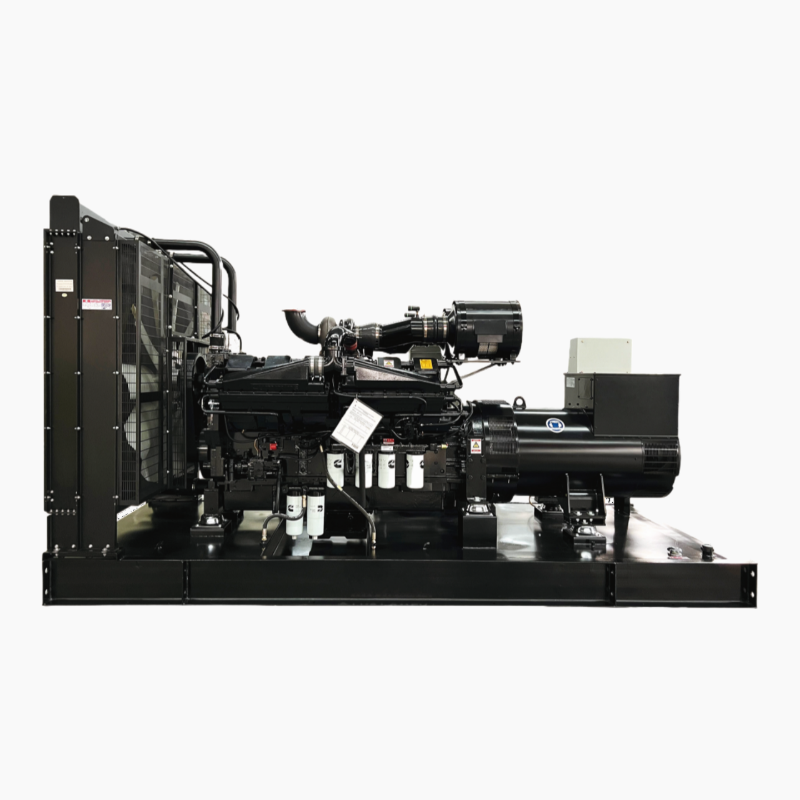
You’re buying backup power for real life — not for a brochure. Think hospital corridors during a blackout or your deli lights staying on when the block goes dark after a storm like Hurricane Sandy. That’s the practical lens here, user-first, no fluff. When you scope models, give serious weight to a trusted powertrain; a solid option is Perkins genset because their reputation lines up with on-the-ground performance. Start with the right kVA rating and work out from there.
Top features that change the daily grind
– kVA rating and load profile: Match the genset’s kVA rating to your continuous and peak loads. Oversize by a sensible margin for startup currents, not by panic. – Noise attenuation and soundproof canopy: If the unit sits near living or working spaces, soundproof canopy and proven noise attenuation designs matter more than glossy specs. – Automatic Transfer Switch (ATS) compatibility: A smooth transfer demands a good ATS and clean control logic, so check the integration. – Emissions tier and fuel type: Know local rules and run-time costs — emissions tier affects legality in urban zones and long-term fuel planning. – Load bank testing and maintenance access: Look for easy-access panels and a plan for periodic load bank testing to avoid wet-stacking and poor combustion.
Installation realities and hidden costs
Buyers underrate install work. Concrete pads, exhaust routing, mufflers, ventilation for cooling and combustion air — those add up. Fuel storage and transfer lines, and permits in certain boroughs or cities, can delay projects. If you plan to buy Perkins genset, factor in compatible ATS wiring and periodic load bank testing as line items. Maintenance windows must be scheduled; skip them and you’ll lose more uptime than the occasional service call costs — trust that.
Common mistakes that trip people up
People often pick a genset by price or brand buzz, not by fit. Typical misses: underestimating peak startup loads, ignoring noise attenuation for occupied sites, skipping emission checks, and choosing a unit without easy service access. Another misstep is not validating control logic with the site’s ATS — that mismatch shows up during the first outage. Consider alternatives like modular systems or rental backup if your needs vary a lot over the year.
What to test before you sign
Insist on factory FAT data or onsite run reports showing voltage stability under step load, harmonic distortion numbers, and actual dB readings at specified distances. Verify fuel consumption at typical loads, and demand evidence of maintenance intervals with parts lead times. If the vendor offers commissioning, confirm load sequencing and ATS behavior during changeover. These checks cut the surprises out of the first emergency.
Golden rules — three quick metrics to lock your choice
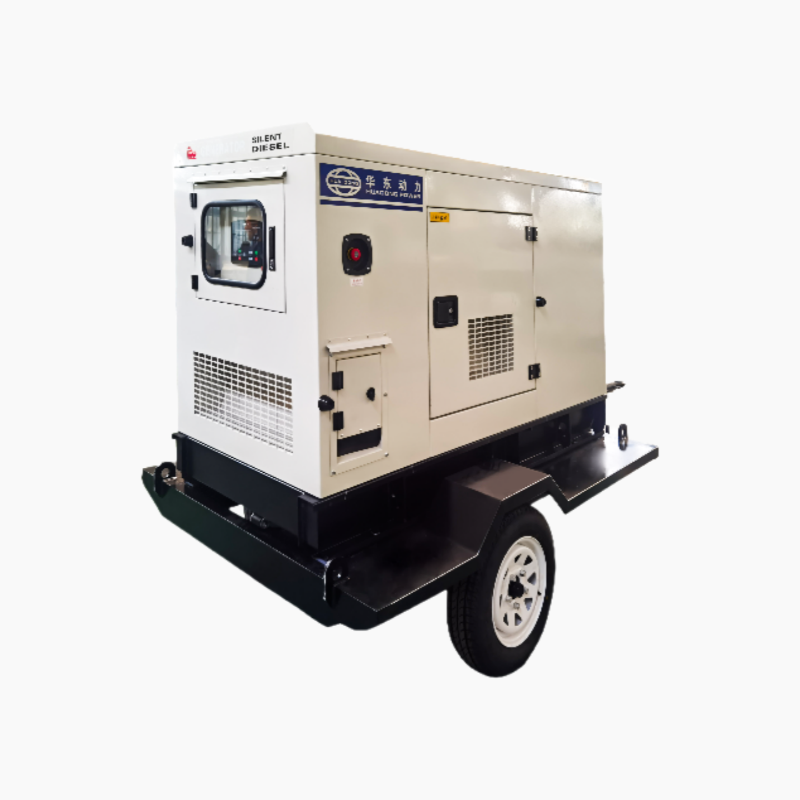
1) Effective Capacity (usable kVA) vs. Peak Demand: Measure your real peak draw and verify the genset sustains that without derating for altitude or temperature. 2) Noise Footprint (dB at 1 meter/7 meters): Insist on measured noise-attenuation figures with canopy installed, and compare them to your site threshold. 3) Serviceability Index (access points + parts availability + proven load bank testing procedure): Prefer units designed for same-day access panels and with clear maintenance schedules.
Final word — what Huadong Power brings to the table
Get these metrics right and you’ll end up with a silent genset that behaves when it counts. Match the kVA, confirm noise numbers, check ATS fit, and verify service plans — those moves keep downtime minimal and headaches rarer. For buyers who want a reliable, tested option that answers those checkboxes, consider how Huadong Power aligns engineering and service with on-site realities. Solid kit. Real support. Practical peace of mind.
 Admin