
Shifting Paradigms in Automation
Picture this: a bustling factory floor, machines humming, and robotic arms diligently assembling products. Did you know that even a minor upgrade in these robotic systems can yield a 15% increase in efficiency? This is where end effectors for robots come into play, proving to be the silent champions of manufacturing advancements. While you might not be familiar with the term, these attachments dictate how robots interact with their surroundings, performing intricate tasks that define productivity in modern industry.

Why Do We Overlook End Effectors?
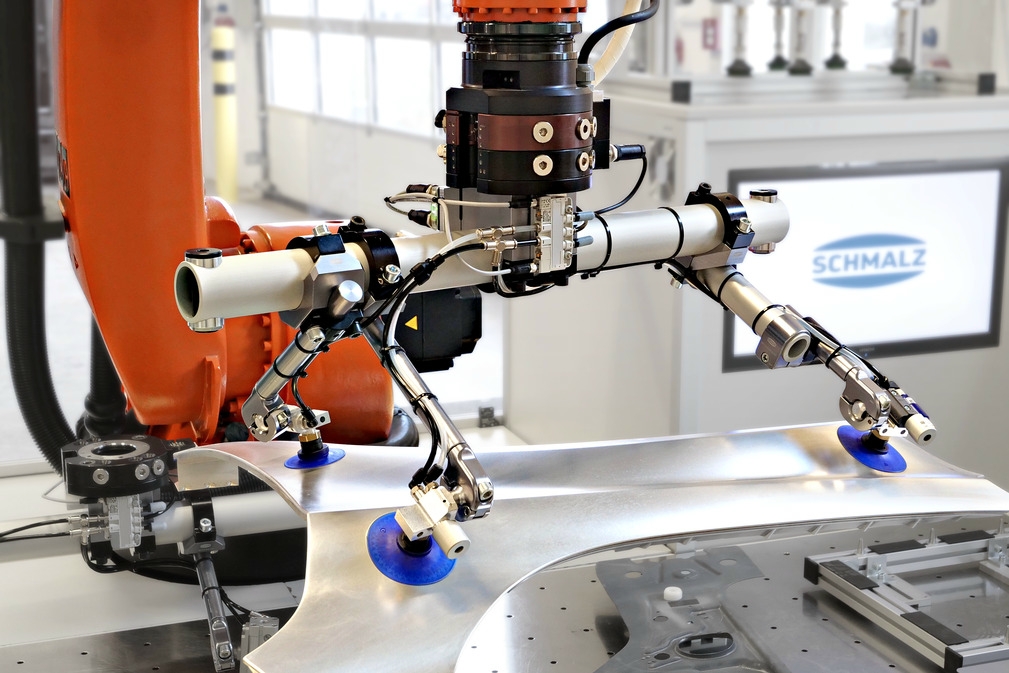
It’s perplexing how easily overlooked the role of an end effector manufacturer can be. Many focus solely on the robot’s core functions, neglecting that the end effector often determines a system’s true capabilities. Have you ever wondered how a gripping mechanism designed for delicate items can absolutely revolutionize assembly lines? I remember watching a demonstration where a sophisticated vacuum gripper distinguished between various materials effortlessly—talk about impressive! This transformative potential lies hidden beneath the surface, waiting for engineers to unlock it.
A Future of Innovation with End Effectors
As we look ahead, the future of robotics is undeniably intertwined with the evolution of their end effectors. The demand for precision and adaptability in handling tasks will require manufacturers to innovate continuously. Recent advances, such as soft robotics, are gaining traction. While traditional end effectors might struggle with tricky surfaces, newer designs offer flexibility that mirrors biological systems. This transformative approach, driven by leading end effector manufacturers, could redefine how industries operate. Imagine robots that can handle fragile items just as gently as human hands do—now that’s a game-changer!
What’s Next for Robotics?
The path for robotics is headed towards greater integration and intelligence. I often reflect on how interconnected systems will shape our workspace—robots equipped with AI that analyze real-time data will soon be the norm. It’s not just about performing tasks anymore; it’s about doing them intelligently. And I can’t help but feel excitement about the potential applications for various industries, from healthcare to logistics. With insights driven by user data, today’s manufacturers are well-positioned to respond to evolving demands, ensuring their designs remain relevant and efficient.
So, when you’re evaluating solutions or thinking of investing, consider these three evaluation metrics: flexibility of design, ease of integration with existing systems, and the ability to adapt to unforeseen challenges. It’s imperative to partner with a knowledgeable end effector manufacturer who understands these nuances. The little things, like choosing the right grip or suction quality, can make all the difference in operational success.
In conclusion, the fascinating world of robotic end effectors is filled with potential. As we continue to innovate, I’m convinced these seemingly small components will yield vast improvements in efficiency and function. It’s essential that we pay attention to these hidden powerhouses of automation, not just for better productivity, but to foster a more advanced industrial reality. If you’re as intrigued as I am, ITES 2026 is where the future is being designed—let’s dive in together!
 Admin