
Introduction — a quick musing
Ever wondered why a spotless welding bay still smells like old engine oil by the end of the shift? In automotive manufacturing welding fume extraction, teams chase the same goal: pull the smoke at source so workers can breathe easy, but too often the gear just doesn’t do the trick (mate, it’s maddening). A fair few plants report airborne particulate or metal-oxide levels that still edge past safety guidance — which begs the question: where’s the breakdown on the shop floor?
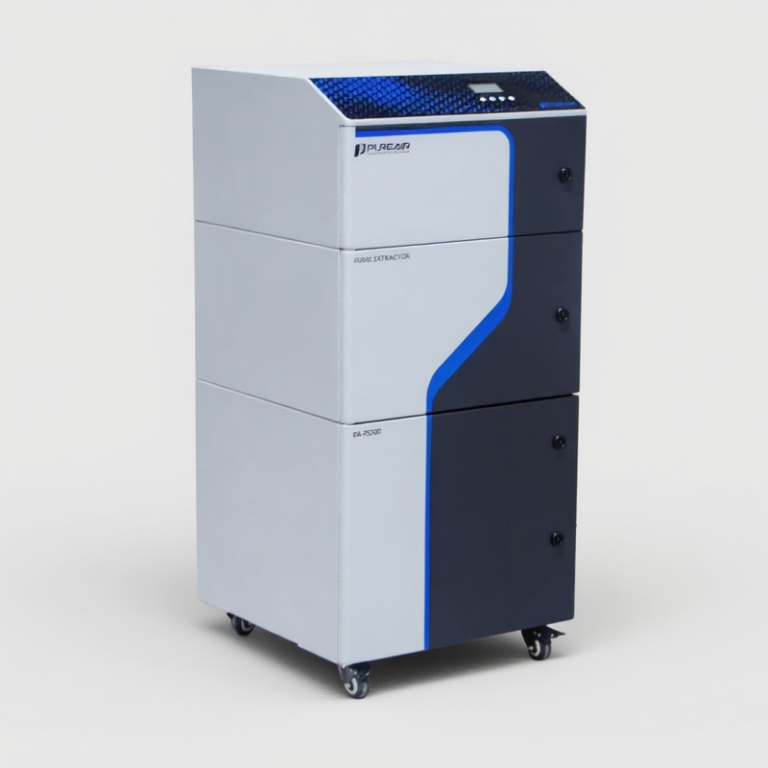
I’ll be honest: I’ve walked dozens of lines and seen the same patterns — systems that look the part but miss key details. This piece digs in, asks the awkward questions, and points to what I think really matters next. Let’s get to the heart of it.
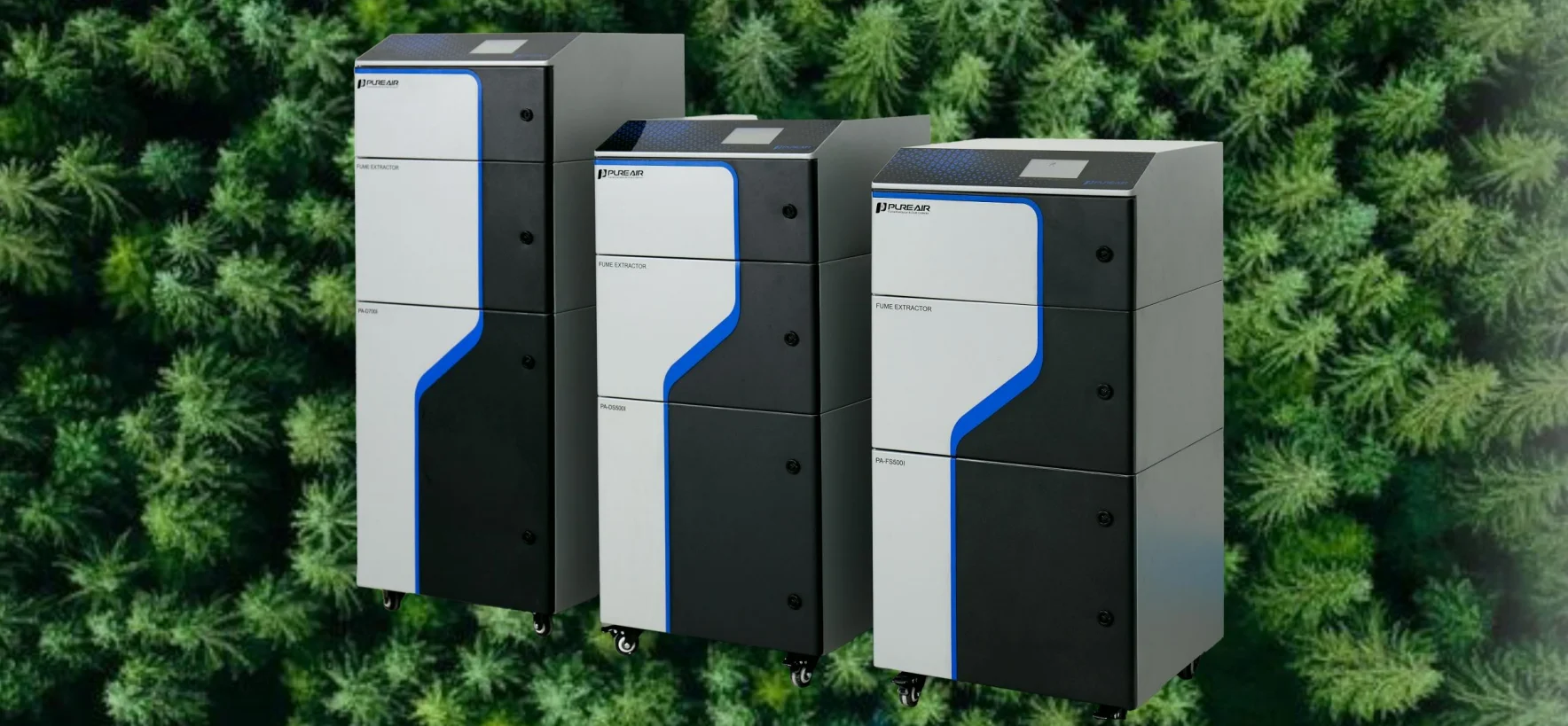
Part 1 — Why traditional fixes miss the mark
exhaust fume extraction is sold as the cure-all, yet installers and plant managers still wrestle with poor capture, noisy units, and clogged filters. I’ve watched local extraction arms set up two inches off the weld — laughable, innit — and then people wonder why fumes leak. Look, it’s simpler than you think: placement, capture velocity, and proper filter media are the real players here. HEPA filters can help with fine particulates but they won’t save you if the hood is in the wrong place or the airflow rate is off.
What’s going wrong?
First, many systems are sized by rule-of-thumb rather than real measurement. That leads to underpowered fans and low capture velocity. Second, maintenance is an afterthought — filter media gets saturated, ducts choke, and nobody tracks differential pressure. Third, layout matters: robotic cells, fixtures, and even the direction of operator movement change how the plume travels. Add in the odd shortcut (we’ve all seen it), and the result is a system that meets spec on paper but fails in practice — and yes, that’s a hotspot for compliance issues.
Part 2 — Looking forward: smarter principles and what to choose
We need to shift from old habits to systems designed around the weld process itself. Modern designs blend local capture hoods, calibrated fans, and real-time sensors so the system adapts when a new jig is introduced or when a line runs faster. Good exhaust fume extraction plans factor in actual airflow rate, specify capture velocity at the tip, and map out where fumes will move when doors open or when a fan cycles down. I like to start with a simple test: measure plume behavior at several points during a run. That tells me where to place arms, how big the ductwork should be, and whether the filter media is fit for purpose.
From a tech view, edge computing nodes and local control can make a big difference — they monitor particulate counts, trigger increased suction, and log maintenance needs. Power converters and variable-speed fans let you tune airflow without killing efficiency. These tweaks cost a bit more up front, sure, but they cut downtime and reduce wasted air handling. We’ve seen plants drop operator complaints and lower airborne metals after making these targeted upgrades — funny how that works, right?
What to measure now
When I evaluate upgrades, I check capture velocity, airflow rate, and filter differential pressure. Simple. Those three numbers tell you if the hood is doing its job, if the fan is sized right, and when service is due. If those look good, you’re golden; if not, you’ve got work to do.
Closing — choosing a solution that lasts
So where does that leave us? I believe the winning setups are those that treat extraction as part of the process, not an add-on. That means proper hood design, sensors that give you facts (not guesses), and maintenance regimes that actually get done. We have to stop trusting stand-alone units and start designing for the weld, the worker, and the workflow. Small changes in layout or control logic often beat wholesale replacements — and that’s a sad truth many overlook.
To help you pick the right kit, here are three metrics I always demand: 1) Capture velocity at the weld tip (measured at working position), 2) sustained airflow rate through the system under load, and 3) filter differential pressure logging to predict clogging and service intervals. Use those and you’ll see real results — lower exposures, fewer complaints, and less scramble for quick fixes. We’ve tested these approaches in real plants and they work. If you want a partner on this, check out PURE-AIR — they get the practical bits right without the waffle.
 Admin